Life in India’s Border Villages: Stories from the Edge
Man, India’s border villages You wanna talk about grit and wild stories these places have it in spades. Forget your usual city chaos; out here, at the actual edge of the country, life hits different. Picture this: snowy winds whipping through Ladakh, thick green jungles hugging Arunachal Pradesh, rivers weaving all over Bengal like Mother Nature couldn’t make up her mind. It’s not just scenery, either these folks are literally living on the frontline, holding down the fort while the rest of us are worrying about Wi-Fi speeds.
What’s nuts is how much old school culture just survives out here. Stuff you won’t find in any museum, people just doing things the way their great-grandparents did. Sure, it’s tough being this remote is no joke but the hospitality Next level. You show up, and you’re basically family.
I mean, you’ll meet people who wave to neighbors across the border like it’s totally normal, swap stories, share tea meanwhile, the rest of us are glued to the news about “tensions.” Out here, life’s shaped by mountains, politics, wild weather, and honestly, a stubborn hope that tomorrow will be brighter.
If you’re bored of cookie cutter travel “experiences,” these stories will smack you awake. Go on, get out there, and let these villages show you what living at the edge really means. You’ll come back with way more than souvenirs, trust me.
Alright, picture this: India’s border villages aren’t just random dots on a map—they’re clinging to wild cliff edges in the Himalayas, baking out in deserts, hiding in tangled forests, or squelching through swampy deltas. It’s all pretty breathtaking, honestly, but also kind of brutal.
We’re talking extremes here. Some folks live where the air’s so thin you practically need a second set of lungs, or right by rivers that decide to change course just to keep life interesting. The views Out of this world. The isolation Also out of this world, and not in a good way.
Weather doesn’t play nice either. Blizzards, surprise floods, rivers that wander off. Every year, it’s like nature rolls the dice and border villages just have to deal with whatever comes up.
And don’t get me started on the basics. Roads? Maybe, maybe not. Power cuts All the time. Want to find a school or a clinic Good luck bring snacks for the journey. Let’s just say, “convenience” isn’t really in the local vocabulary. But, hey, you don’t get epic landscapes without a little drama, right?
Culture and Traditions: Where Borders Get Blurry
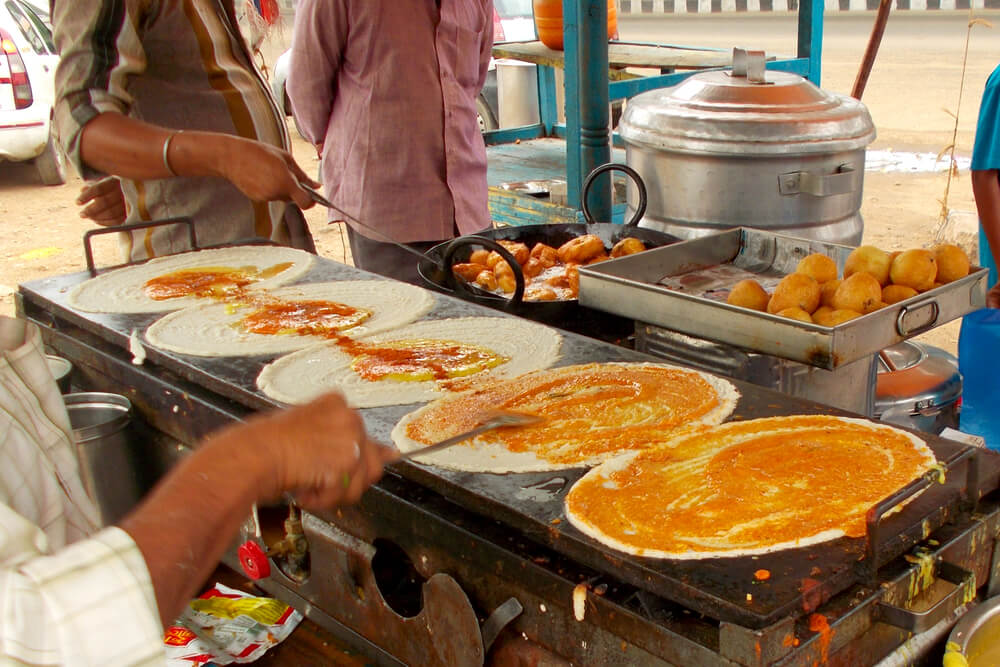
Border villages Man, those places are a wild mashup. You’re technically in India, but sometimes you’re closer to the next country’s town than to Delhi or Mumbai. It’s like one foot in, one foot out, and honestly, the culture reflects that. Local folk songs echo through the valleys, old school dialects still thrive, and you’ll find foods you’ve probably never even heard of unless your grandma’s got stories from “back home.” Crafts, recipes, even the way folks talk it all gets handed down, like an heirloom you can’t buy on Amazon.
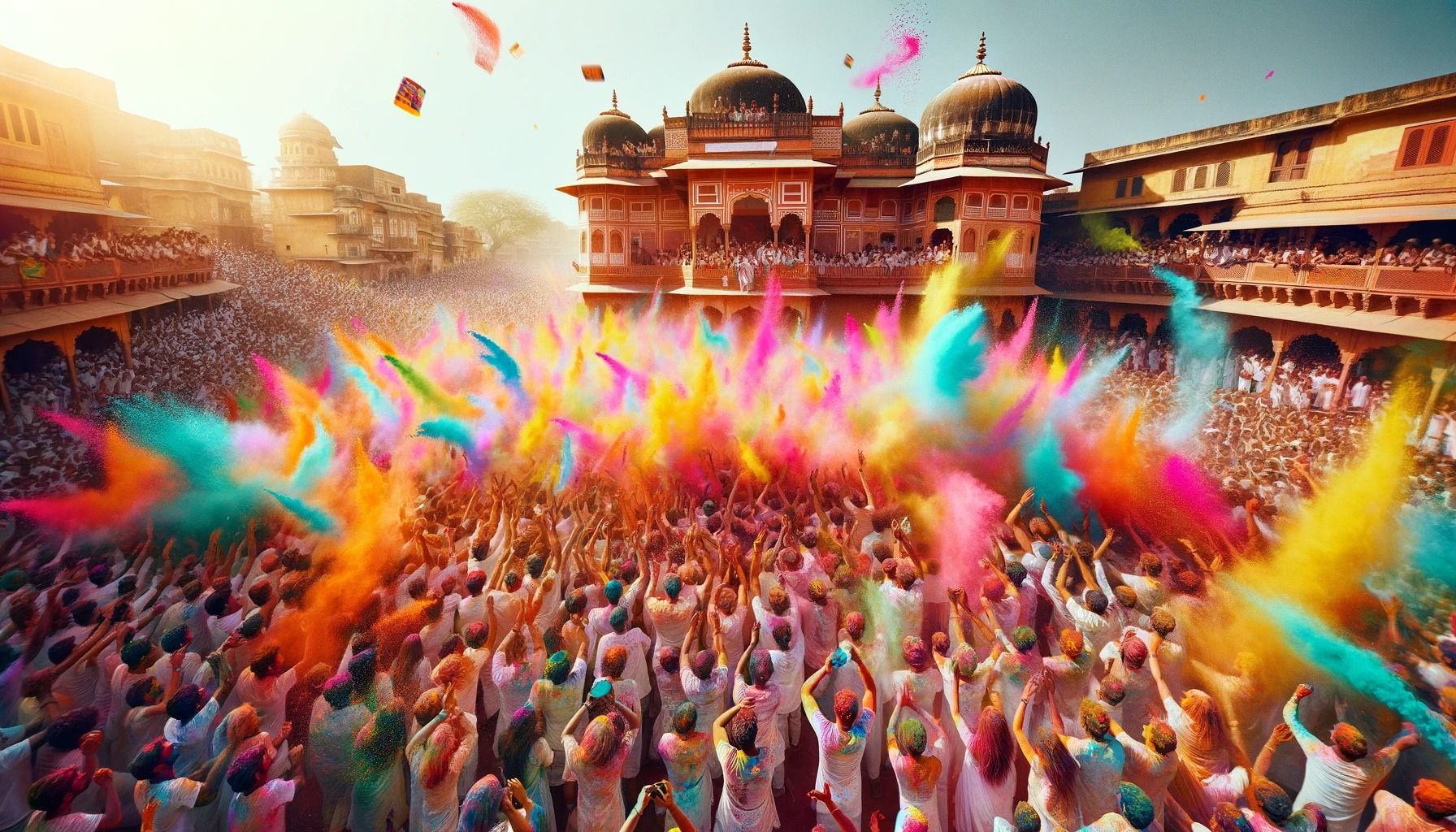
And festivals Oh, they go all out. You’ve got monks in Tawang chanting for hours, or people in Assam losing their minds over harvest festivals stuff that makes daily life feel straight out of a movie. There’s a real “we’re all in this together” vibe, even if the next village is technically across a border. Shared rivers, markets, even family ties sometimes it’s all peace and parties, and sometimes, well… let’s just say it’s not all kumbaya.
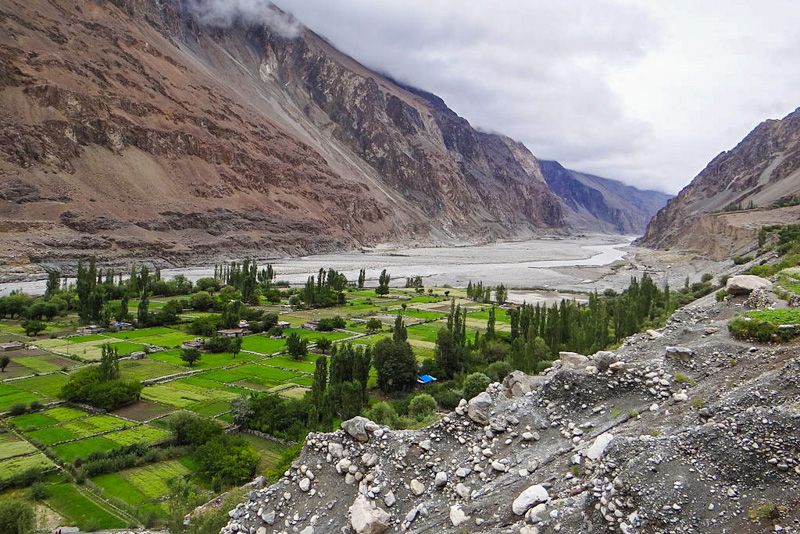
Talk about a place with an identity crisis (in the best way). Turtuk used to be Baltistan, now it’s India apricot trees everywhere, houses built from stone, and a culture that’s this wild fusion of Central Asian and Ladakhi. The locals? Super proud. They’ll invite you in for tea, feed you too much, and tell stories about ancient trade routes and how they’ve rolled with the punches over the years.
Welcome to the land of epic sunrises. Kibithu’s the first spot in India to catch the sun. The Meyor tribe lives here, basically hugging the mountains. Their connection to the land runs deep ancient rituals, languages nobody else speaks, and now, a little bit of road and phone signal creeping in. Old meets new, but the old stuff Still holding strong.
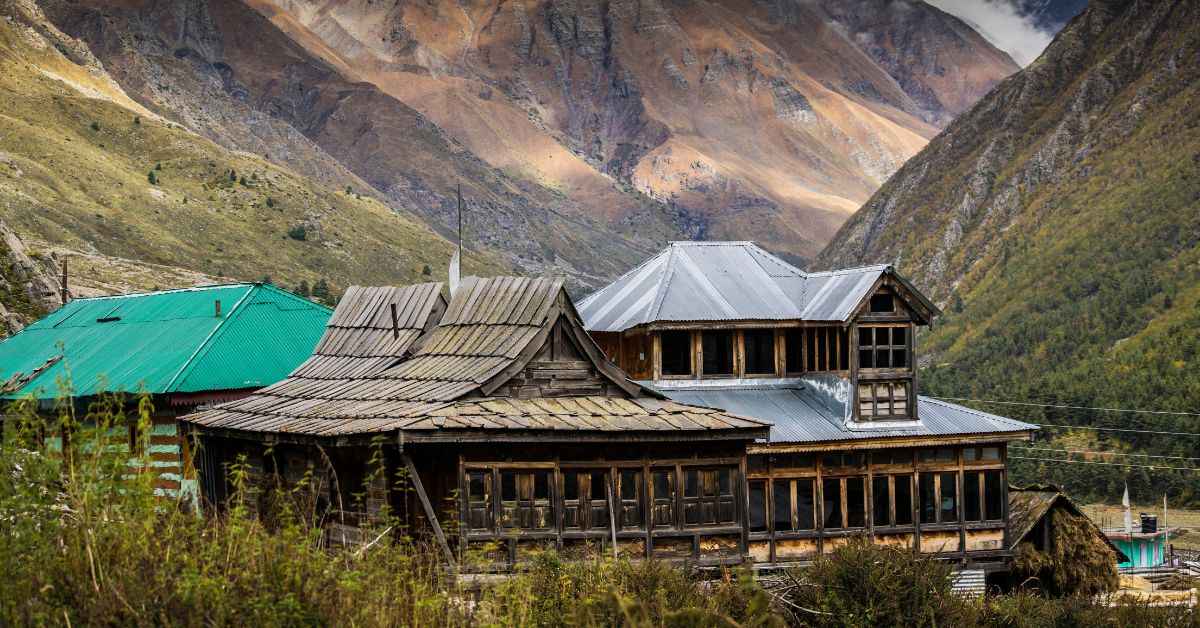
They call it “India’s last village.” Sounds dramatic, but it’s kind of true. Wooden homes, a sky full of stars, and traditions that make you feel like you stepped back in time. Winters are brutal. Phone signal Good luck. But the connection people have to the land unbreakable.
Monpa tribe territory. The village clings to its Buddhist roots, and the wooden architecture is all about teamwork neighbors helping neighbors, everyone pitching in. Farming keeps them going, and the monastery is the social hub. Isolation Maybe. Strong sense of community Absolutely.
Now, not everything’s sunshine and rainbows. On the West Bengal border, people like Ali remember when villages thrived on trade and easy movement. Now Fences, climate mess-ups, and fewer ways to make a living. Life’s hard, but people aren’t giving up they move, hustle, adapt, and just keep going, stories of survival tucked in their pockets.
That’s border life, in all its messy, beautiful, sometimes-tough glory.
So, here’s how it goes down: most folks are either out in the fields, herding livestock, or getting crafty with their hands—whatever the land and the season throw at them. Nothing fancy, just life rolling on with whatever’s at hand.
Kids Oh man, these kids are tough. Some of them hoof it for miles to school, if you can call a couple benches under the open sky a “school.” Sun in their eyes, rain on their heads, and not a computer in sight. Try whining about your commute after that.
Slowly, you see some changes creeping in. The government’s got these programs Border Area Development, Vibrant Village, all that jazz. Clinics pop up where there used to be none, and now you might even get a bar or two of cell service if you’re lucky. Not exactly city life, but hey, it’s getting better.
The women here? Absolute legends. They keep the house afloat, juggle traditions, manage money, tell the old stories, and cook up food that’ll make you weep. They’re the real backbone.
Borderland Tourism: Where Stories and Scenery Collide
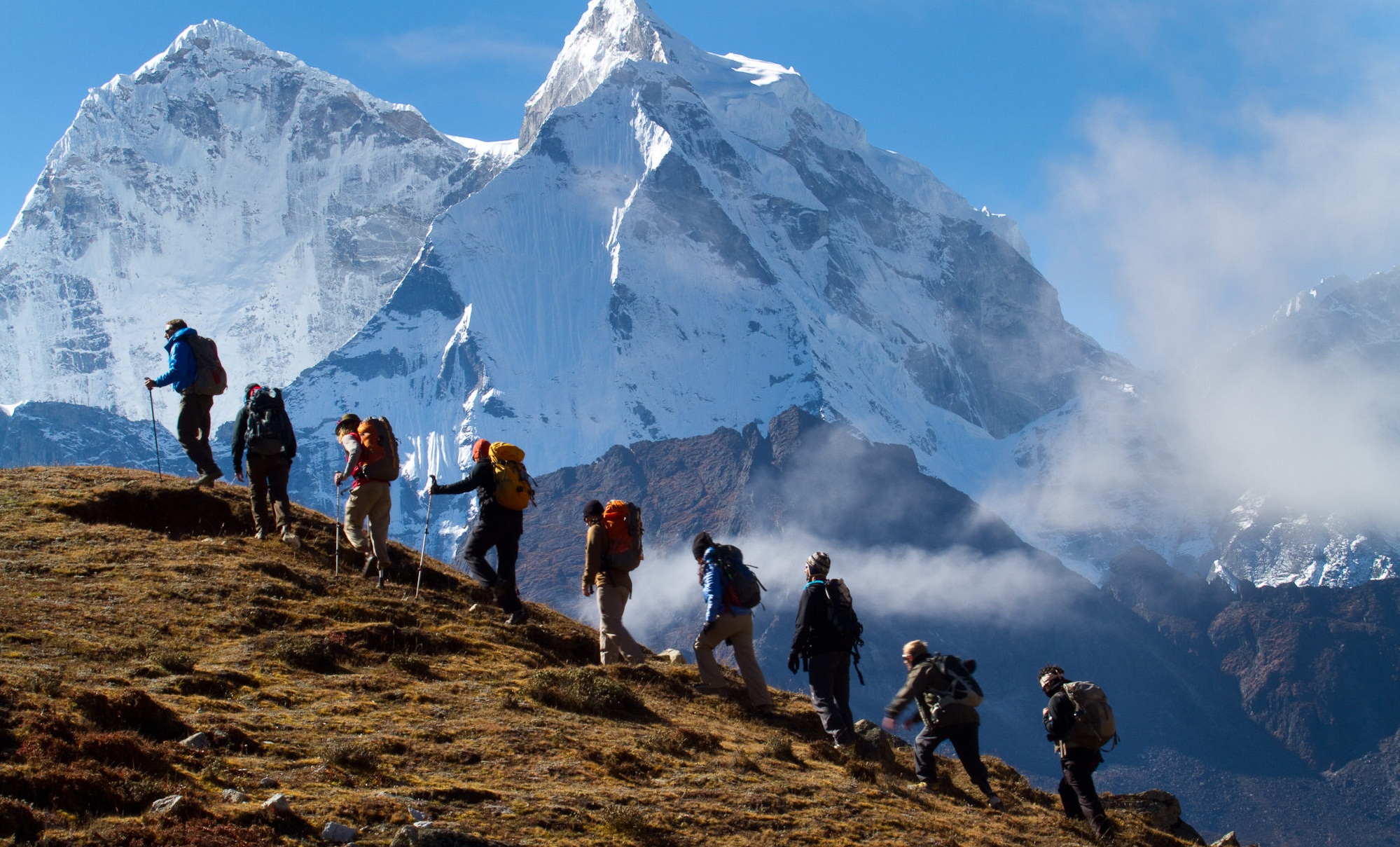
There’s this magnetic pull, right? Folks are ditching the usual tourist traps and heading out to the edge literally, the borderlands. Out here, you’re not elbowing through crowds for a blurry photo; you’re hiking wild mountains nobody’s Instagrammed to death, dancing at some harvest festival with your new best friends, crashing at homestays, and shoveling down food that’ll ruin you for city takeout forever.
But hey, it’s not just about swooping in for cool selfies. If you’re gonna do this right, you’ve gotta back the local scene shop from the folks who live there, actually listen when they tell you what’s cool (and what’s off limits), and maybe pick up your trash, yeah? The trick is keeping things real and beautiful without turning the place into the next tourist circus. Locals aren’t just along for the ride; they’re steering the ship, and travelers need to respect that.
Alright, real talk: life out here isn’t all misty mornings and sunset views. These border villages? They’re still wrestling with shaky healthcare, blackouts that make you nostalgic for candlelight, young people skipping town for better gigs, and the occasional flood or landslide just to keep things interesting. Still, things aren’t standing still. The government’s rolling out new roads, better schools, jobs that might actually make kids want to stick around, and tourism plans that don’t wreck the place.
When stuff hits the fan be it a border flare up or some natural disaster—the army and the locals team up. It’s not all military boots and marches; sometimes it’s villagers and soldiers side-by-side, rebuilding or helping out. That’s how you get tight knit communities and, honestly, a stronger country.
And you know, as these stories leak out beyond the hills and valleys, more people are tuning in. Suddenly, the “edges” of India aren’t so far away. They’re part of the bigger picture, getting a shot at the future they deserve.
Wrapping Up the Journey
Alright, let’s wrap this up. India’s border villages? They’re not just dots on a map—they’re wild, gritty, and full of surprises. Imagine biting into a sun-warmed apricot in Ladakh, waking up to a sunrise that actually makes you forget your phone exists in Arunachal, or stumbling across the last crooked rooftop in Himachal before the mountains swallow everything. These places, man, they’re tough as nails but somehow overflowing with warmth.
If you ever drag yourself out there, it’s not just about snagging a cool selfie. You start to get what it really means to carve out a life where the road ends, where tradition wrestles with the modern world and both usually end up sharing a cup of chai. When you actually listen to their stories and don’t just treat the whole trip like an Instagram prop you help keep these places, and their wild, beautiful chaos, alive.
So yeah, next time wanderlust hits, maybe skip the tourist traps. The real magic It’s hanging out on the fringe, where India stretches out its arms and dares you to come closer.
Which border village story resonated with you most?